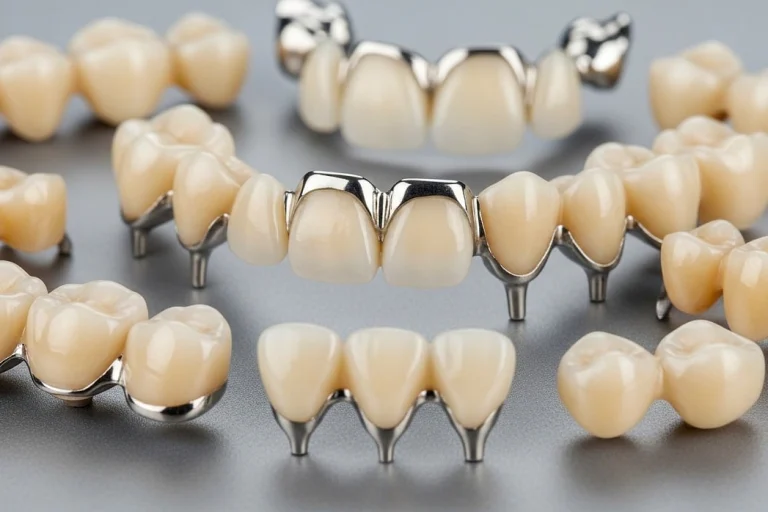
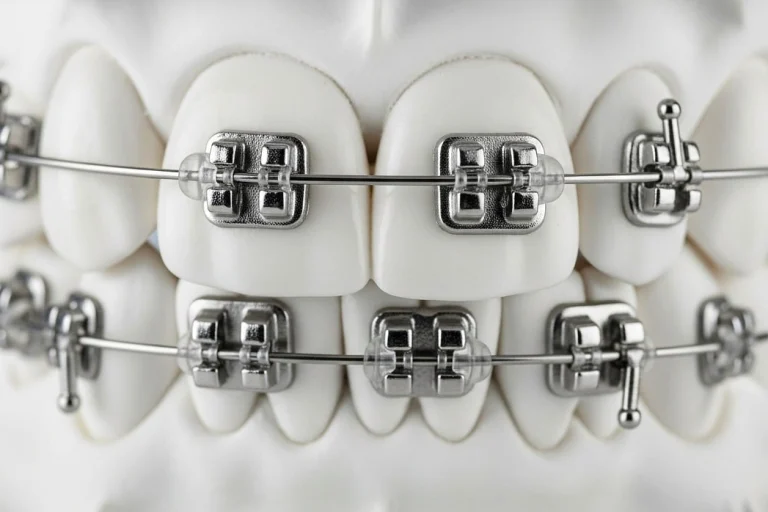
The Tooth Bill is an independent, plain-English guide to what dental work costs in the US and how people pay for it. It covers implants and dentures, crowns, root canals and fillings, braces, aligners and cosmetic work, cleanings, extractions and gum care, dental insurance, and Medicare, Medicaid and other ways to pay. It is for people holding a quote or a treatment plan, people with insurance who want to know what it will really pay, and people without insurance looking for what help exists.
General information about costs, not dental, medical, insurance, tax or financial advice. Your dentist decides what treatment suits you; your plan’s documents and a pre-treatment estimate decide what it pays.
What we do
We show a price with its sources, and the rule behind who pays. No government agency publishes what an implant or a crown costs, so most figures you see online come from someone with something to sell. Ours come side by side, each named with who published it, when, what it measures and why it might lean. CareCredit, a lender that finances dental work, publishes two national implant figures from the same survey: $2,143 for placing the implant post, which its implant article says leaves out the crown, and $4,344 for a “standard” implant per tooth, without saying what that covers (both read 11 November 2026). Quoting either one alone as “the price of an implant” would mislead, so we show both, beside other publishers’ figures, and say which is which.
Coverage works the same way: we quote the rule. Medicare’s regulation excludes “Dental services in connection with the care, treatment, filling, removal, or replacement of teeth” but does not exclude dental services “inextricably linked to” certain covered medical care, such as an organ transplant or heart valve replacement (42 CFR 411.15(i), eCFR up to date as of 9 November 2026, read 11 November 2026). So “Medicare never covers dental” is too strong, and “Medicare covers dental” is wrong. Adult dental in Medicaid is set state by state: in the ADA Health Policy Institute’s table published in December 2025, with data as of August 2025, Alabama was the only state with no adult dental benefit at all.
Every rule, limit and price carries its source and the date we read it, and names the year or edition it applies to. Where a page has a sum to work out, such as what a plan pays after the deductible and the annual maximum, or what a missed “0% interest” promotion costs, a calculator shows the arithmetic on numbers you enter. Our how we check page explains where rules come from, how we estimate costs explains the price method, and sources we use lists them. Pages are published under The Tooth Bill name.
What we are not
The Tooth Bill is not a dental practice, a dentist, an insurer, an insurance agent or broker, a discount plan, a lender or a government agency. We give general information about costs and payment, not dental, medical, insurance, tax or financial advice. We never say which treatment to choose, whether a treatment is needed, or whether one option is better or safer than another, and we never review a reader’s treatment plan, quote, explanation of benefits or claim. Your dentist decides what treatment suits you. Your plan’s documents, and a pre-treatment estimate from the plan, decide what it pays. Your state Medicaid agency decides what Medicaid covers for you, and the IRS rules decide what you can deduct.
How we are funded
The Tooth Bill is free to read and is funded by display advertising. Ads may not appear yet while the site is new. Once they run, some may come from dentists, dental chains, insurers, discount plans, lenders or other companies that sell to patients. An ad is not an endorsement, a referral or a recommendation, and advertisers have no say over what we publish. Nobody pays us anything to read a page or use a calculator.
How we stay independent
- No affiliate links. We earn nothing if you book, buy, sign up or borrow after reading a page.
- No paid placements. Nobody can pay for coverage, a mention or a better position.
- No sold leads. We collect no details to pass on to dentists, insurers, plan sellers, lenders or anyone else.
- No dentist referrals. We don’t name, recommend or book dentists, specialists, chains or clinics.
- No plan or lender sales. We don’t sell, quote or compare dental insurance, discount plans, credit cards or loans, and we never link to an application or sign-up page.
- No rankings. We never rank dentists, insurers, plans, lenders or products, or call any of them the top or lowest-priced choice.
That is why our pages can say things a seller might not: that a “0% interest” offer may only defer the interest, which can come back from the purchase date if the balance isn’t paid in time; that a discount plan is not insurance; or that a lender’s own two implant figures don’t agree.
How pages are checked
Every page gets a fact-check against its sources, separate from the writing, and every sum on it is worked again. Each page ends with the date its sources were checked. Our editorial policy sets out each step.
Where to start
If you have a quote for an implant, dental implant cost shows the published figures side by side and what each includes, and the implant cost estimator adds up the parts. If you have insurance, how dental insurance works explains the deductible, coinsurance and annual maximum, and the out-of-pocket calculator does the arithmetic on your own plan’s numbers. If you are on Medicare or Medicaid, start with does Medicare cover dental or Medicaid dental for adults. If cost is the barrier, free and low-cost dental care covers health centers and dental schools, and dental financing explains payment plans, medical credit cards and deferred interest before you sign anything.
Mistakes and questions
Our corrections page logs what we have fixed, and our contact page says how to reach us. Please read our disclaimer too.